
In April 2024, following the fallout from Google’s 2023 Helpful Content Update (HCU), many content-driven websites took a hit in traffic. I personally experienced a significant decline in one of my sites. SEO, which I had spent years mastering, was no longer reliable as Google’s algorithm continued to evolve.
As a result, I started building an email newsletter for the website.
Email newsletters promises something SEO couldn’t: control. It offers a consistent, direct connection to my audience—without the risk of a single algorithm update wiping out all my hard work.
Quick Navigation
How to Start Your Email Newsletter
In this comprehensive guide, I’ll walk you through the exact steps I took to build, grow, and monetize newsletters. Whether you’re new to email marketing or looking to improve an existing newsletter, this guide covers everything you need.
You can also learn more about this process from my friend Jon Dykstra in his free Content Flywheel E-book. Jon has done this successfully on a MUCH larger scale than me.
1. Choosing the Right Newsletter Niche
Your first step in building a successful newsletter is choosing the right niche. The best niches offer ongoing interest, high engagement, and monetization potential.
Newsletter Categories
Jon breaks down newsletters into four major categories:
- Local Newsletters: Provide hyper-local content to specific geographic regions.
- Health, Wealth, and Relationships: Evergreen topics with high revenue potential.
- B2C (Business to Consumer): Focus on lifestyle niches like Home & Garden or specific passion niches.
- B2B (Business to Business): Target business audiences with specific industry needs (e.g., marketing for plumbers).
Real-Life Example:
I started one of my newsletters focusing on a local market. Though the audience was small, the engagement was high, allowing me to charge more for advertising. Another newsletter revolved around a niche site that had been hit by the HCU. With plenty of existing content, it was the perfect foundation for a newsletter.
You might choose to go with an old email newsletter that you need to revitalize. One that you built awhile back but haven’t been sending emails for awhile.
My wife and I are even considering launching a newsletter around her career expertise—there’s a high demand, and she’s passionate about the topic.
Tip: Find a niche with long-term potential and revenue opportunities. Make sure it’s something you’re excited about, as you’ll be spending a lot of time developing it.
2. Set Up the Right Email Marketing Tools
With your niche in place, the next step is setting up your newsletter infrastructure. You don’t need anything fancy—just the right tools to get started.
My go-to recommendation? I used to stratify my recommendations, but ConvertKit is free for up to 10k subscribers, and I prefer their Automation options, so that is now my go-to recommendation.
After you scale up and have over 10k subs, it’s worth re-evaluating. If you’re not using very many Automation sequences, then you might opt for beehiiv, which is more of a personal newsletter style email CRM.
Real-life example: I initially started my niche site newsletter on MailerLite because ConvertKit didn’t have their generous free plan yet. It’s also a great option; I haven’t bothered switching over yet!
So, there are some good options out there. Here is a review of our favorites: ConvertKit, MailerLite, and beehiiv.
3. Acquiring Email Subscribers
Subscriber acquisition is the lifeblood of any email newsletter. Both Jon and I have found success with Facebook Lead Ads due to their scalability and low cost per lead.
Real-Life Example:
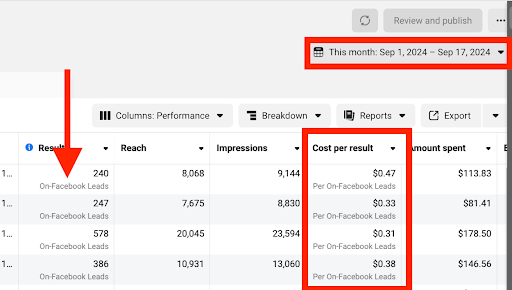
For my newsletters, Facebook Lead Ads have consistently brought in leads at $0.30-$0.60 per lead. I’m over 10k subscribers now! However, the effectiveness of this approach varies greatly depending on your niche.

I then use Make to automatically get those new leads into my MailerLite account, and start the auto-responder sequence.
Jon also uses free traffic sources like Pinterest, Facebook, and Instagram to drive subscribers. Both of us have found that paid and organic methods work well together.
Key Strategies:
- Arbitrage: Jon uses arbitrage to drive traffic to high-RPM posts on his sites, which also brings in new email subscribers.
- Free Traffic Sources: Leverage platforms like Pinterest and Instagram to drive organic subscribers.
- Optimize Landing Pages: Ensure your landing pages are designed to convert visitors into subscribers.
4. Create a Lead Magnet Your Audience Wants
Here’s the deal—no one is going to give you their email address unless you’re offering something valuable in return.
To grow your subscriber list, you need to offer something valuable in exchange for their email. A lead magnet could be an ebook, a checklist, or even a quiz—just make sure it’s relevant to your niche.
Real-Life Example: For one of my newsletters, I offered a free PDF titled “50 Free Blah Blah Blah,” which worked incredibly well. I’ve also found quizzes to be highly engaging. They outperform PDFs because they’re interactive—no one wants to read a long document anymore.
Tip: Ensure your lead magnet solves a real problem for your audience. Promote it across all your platforms—Facebook, your website, and any other social media you use.
Here’s my Facebook Lead Ads results for a few weeks, I’m spending just over $0.40/lead!
5. Set Up an Autoresponder Sequence
Once someone subscribes, don’t leave them hanging. Use an autoresponder sequence to nurture your new subscribers. This sequence helps build relationships and keeps your audience engaged over time. Start with 10-20 emails that provide value and drive traffic back to your site.
Writing emails doesn’t have to take a long time. Test different types of content—short versus long, listicles versus personal stories—to see what resonates with your audience.
Once you’ve written a bunch, you can also start to use AI to help you create a rough draft. On one of our aged email newsletters, we’re using Cuppa to create first drafts. I outlined that entire process HERE.
Real-life example: For my niche site, I used the existing blog content to create a 20-email sequence. Each email directs readers back to my site, where I earn ad revenue from Raptive. It’s a simple but effective way to keep people engaged.
5. Test, Tweak, and Optimize
This is where the magic happens. This is NOT a set it and forget about it type of thing – don’t get those expectations! Not every email is going to be a hit, and that’s okay!
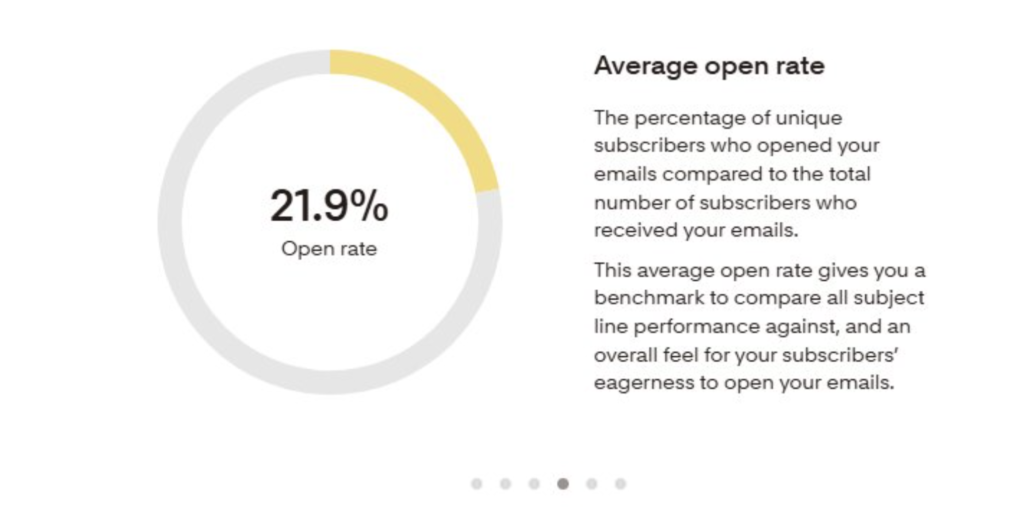
Keep an eye on open rates, click-through rates, and conversions. If an email isn’t performing well, tweak the subject line or try a different call to action. Testing is key to improving your results.
Real-life example: I had some emails with terrible open rates (less than 10%—ouch). By testing different subject lines, I managed to bump that up to 20%. Small changes can make a big difference!
Experiment with subject lines, content types, and calls to action to see what resonates best with your audience.
Jon experimented with in-email ads and lead magnets to attract subscribers. I, too, have tested various email structures and content types to refine what works for my audience.
Key Metrics to Track:
- Open Rates: Aim for consistent improvement.
- Click-Through Rates: See which content drives the most engagement.
- Revenue per Subscriber: Measure the financial performance of your newsletter.
6. Monetize Your Email Newsletter
Monetization is the ultimate goal, and there are several ways to turn your email list into revenue:
- Ads: Drive traffic to your website and monetize through display ads.
- Affiliate Marketing: Promote products and earn a commission on sales.
- Sponsored Emails: Partner with businesses to feature their content in your newsletter.
- Digital Products: Sell ebooks, courses, or premium content directly to your subscribers.
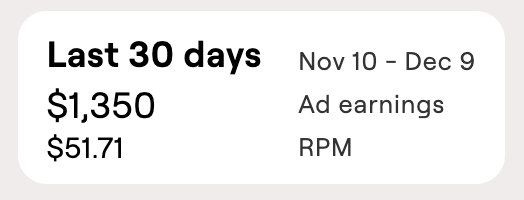
Real-life example: In one newsletter, I’m monetizing through Raptive ads by driving traffic to my site. In my first month of emailing a small list of just over 10,000 subscribers, I added roughly $700 of earnings.
If you’re not already on an premium ad network (which pays much higher RPMs), then look at Journey by Mediavine. They only require 10,000 monthly visitors, which you should be able to get to relatively quickly!
7. Scaling Your Newsletter
Once your newsletter is running efficiently, the next challenge is scaling it. Use new lead magnets, refine your ads, and test new content strategies to continuously grow your subscriber base.
Real-Life Example: For my HCU-hit site, I launched a digital product as part of the email sequence. While initial sales were slow, integrating it into my auto-responder series helped it gain traction.
Jon also tested lead magnets and experimented with high-volume email strategies, sending 1-2 emails per day to drive traffic back to his website.
8. Continuous Improvement
The work never really stops. Keep reviewing what’s working and what isn’t. Don’t be afraid to make changes, test new ideas, and pivot when needed. The best part? You have full control over your email list—unlike SEO, you’re not at the mercy of Google’s algorithm.
Key Takeaways and Next Steps
- Test and Optimize: Continuously tweak your approach based on performance metrics like open rates and click-through rates.
- Choose a Niche: Make sure your niche has long-term potential and personal appeal.
- Leverage Paid and Organic Traffic: Use a combination of Facebook Lead Ads and free traffic sources like Pinterest.
- Create Valuable Content: Keep your audience engaged by delivering high-quality content that aligns with their expectations.
- Monetize Smartly: Whether through ads, affiliate marketing, or sponsored content, choose a monetization strategy that fits your audience.