
When I pulled the October numbers for one of my Pinterest-focused sites, I noticed something surprising: 30% of all traffic that month was Halloween-related.
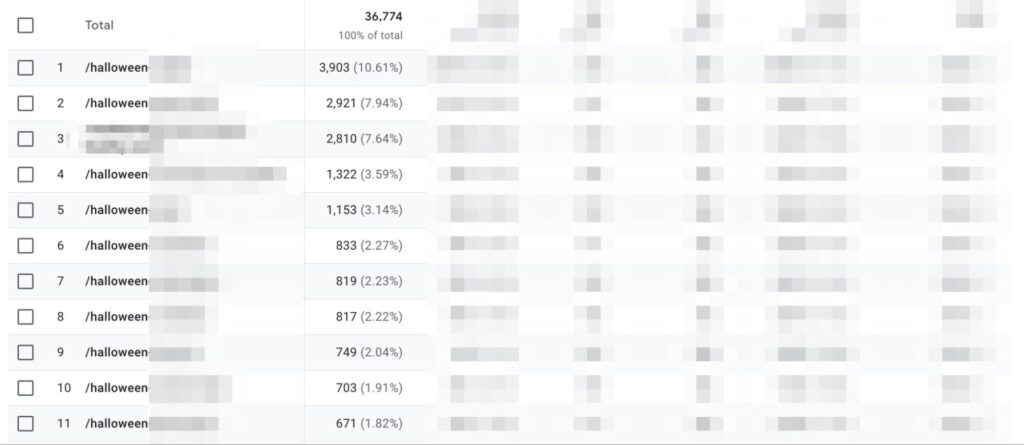
That’s interesting for a couple of reasons:
- I don’t really consider Halloween a huge food holiday.
- It wasn’t just one viral post doing all the work.
Instead, a small group of related Halloween posts in the same general lane combined to drive a meaningful chunk of my Pinterest traffic.
Layer that on top of newer Pinterest data and trends, and a bigger theme starts to emerge about how Pinterest seasonal content works in 2025 and beyond.
Quick Navigation
What I Noticed About My Halloween Pinterest Traffic
Without sharing every URL, here’s what stood out from the data:
- The Halloween posts worked better as a cluster than as standalones.
- Each post had a distinct angle, but they were close enough in topic that Pinterest could easily “understand” how they fit together.
- Pins were live early enough that by the time Halloween interest ramped up, Pinterest already had some history with them.
This lines up with what many creators are seeing now:
- Pinterest is mixing evergreen content in with seasonal content, so seasonal posts don’t completely dominate feeds.
- Distribution (all the places a pin can show up) matters more and more, not just a single metric like saves.
- Pinterest’s keyword annotations and interest clusters shift over time, which means “good fit” content wins more often than vague, generic “holiday-ish” ideas.
In other words, that Halloween bump wasn’t random.
It was a tight, clear topic cluster that stayed aligned with how Pinterest currently understands and organizes content.
Are Seasonal Content Clusters Worth the Effort?
You might be thinking the same thing I am: “Is it really worth building out intentional seasonal pockets for what might be a short window?”
I’ve asked this question before
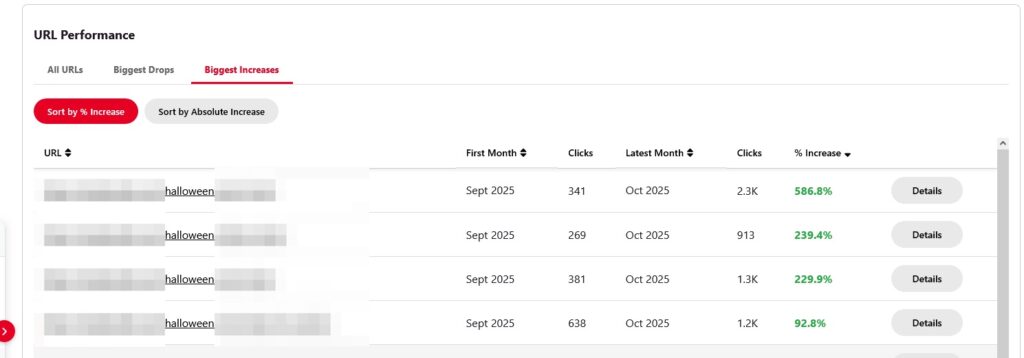
Seasonal posts may have a limited time window, but the effect is consistent enough that I’m comfortable continuing to invest in:
- Small, targeted groups of seasonal content
- Rather than hoping that one “perfect” post magically pops
When the cluster is aligned with how Pinterest sees the topic, seasonal content becomes less of a gamble and more of a repeatable traffic lever during peak discovery periods.
If you’re looking for how to improve your traffic from Pinterest, Tony Hill has put together this awesome Mini-Course. It goes through:
✅ 2 simple keys to Pinterest success
✅ Make any niche Pinterest-friendly
✅ Top 3 ranking factors
✅ 3 Best types of content that work
✅ &more
You can take this course for FREE here!
How I’m Using This Before Big Pinterest Seasonal Surges
During Q4 and Q1, Pinterest becomes a discovery engine for all things:
- Holiday entertaining
- Gifting
- Decor
- Easy meals
- Budgeting and saving
- Organizing and “reset” content
…depending on your niche, of course. Here’s the practical framework I’m using to prep for seasonal spikes.
1. Pick a Few Seasonal Lanes That Clearly Fit Your Site
Don’t try to do everything.
Choose the specific lanes where a seasonal lift would actually matter for your audience and your revenue:
- Halloween recipes or treats
- Thanksgiving sides
- Christmas appetizers
- New Year “reset” guides
- Back-to-school organization
The key is alignment: Pinterest can send you traffic, but it only pays off if the content supports your broader site goals.
2. Build Small, Connected Sets of Posts in Each Lane
Clusters beat one-offs.
For each lane, aim for a small, connected set of posts, with each post having:
- A clear relationship to the others so Pinterest can see the connection
- A specific angle (not clones of the same idea)
Examples:
- “Healthy Halloween party snacks”
- “Last-minute Halloween dessert ideas”
- “Halloween treats kids can help make”
Close enough that they share the same theme. Different enough that they’re not duplicates.
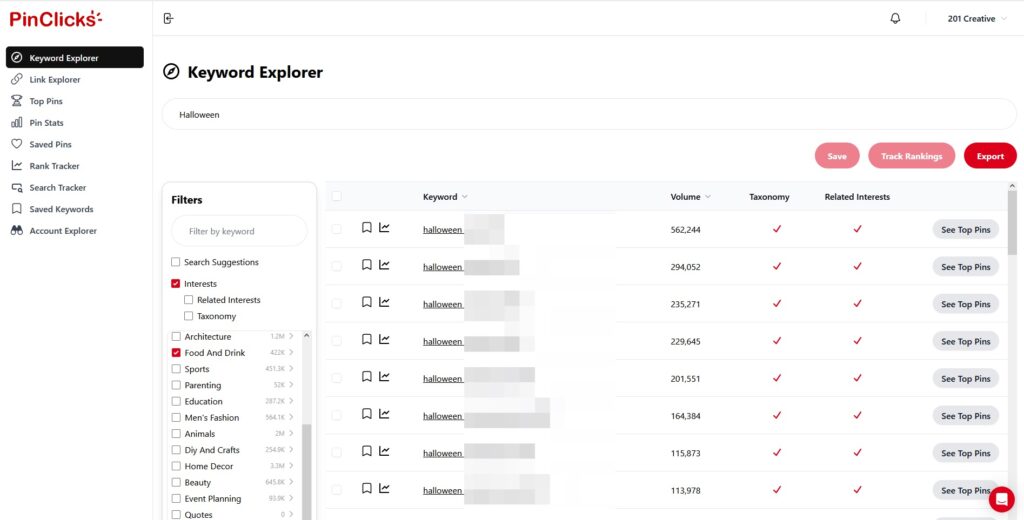
3. Make Sure Your Topics Match How Pinterest Sees the World
This is where PinClicks has been really useful on my side.
Instead of guessing, I can:
- Pull real interest keywords (beyond the limited list you see in Pinterest Trends)
- See how pins are being categorized
- Watch when something starts to get real distribution
That information tells me:
- Whether my cluster is aligned with actual user behavior
- Whether Pinterest “understands” my pins the way I intended
- When a topic looks like it’s worth doubling down on
If you’re using PinClicks, this is a good stretch to lean on it more intentionally: validate your seasonal themes, adjust your angles, and keep your clusters aligned with Pinterest’s current interest graph.
You can do some of this manually (via Trends, search suggestions, and observing related pins), but tools like PinClicks make the process faster and more data-driven.
4. Get Pins Into Circulation While There’s Still Runway
You don’t need months of lead time, but you also don’t want to hit publish the day people start searching and just hope for the best.
Give Pinterest enough time to:
- Crawl and understand your content
- Test it in different placements
- Build a bit of engagement history before peak demand
Practically, that means:
- Publishing your cluster with at least some runway before the peak
- Scheduling pins so they’re showing up as interest rises, not after it’s already passed
If you’re already using PinClicks, this is also where it really helps: you can watch when interest on key terms starts to move and make sure your pins are in circulation before the spike, instead of scrambling to catch up. If you’re not using it yet, you can still do a lighter version of this with Pinterest Trends and manual research, it just takes more time.
The Bigger Lesson from the 30% Pinterest Halloween Bump
The Halloween data was a helpful reminder:
Small, well-aimed groups of content, backed by how the platform actually works right now, give you a better shot at catching seasonal surges than hoping one “perfect” post takes off.
Instead of:
- Banking on one viral hit
- Publishing broad, vague “holiday” posts
- Guessing what Pinterest wants
You’re better off:
- Choosing specific seasonal lanes that fit your site
- Building tight content clusters in each
- Using tools and data to stay aligned with how Pinterest currently sees those topics
- Getting your pins live early enough that they’re ready when demand spikes
That’s the system that turned Halloween into 30% of my October traffic, and it’s the same approach I’m using for every major seasonal window going forward. But don’t get me wrong, I’ll still ALSO focus on evergreen content focused around long-tail keywords as well.