
Let’s dive into the Beehiiv vs ConvertKit email provider showdown. I know firsthand how overwhelming it can be to choose the right email platform for your business—I’ve been there too, wading through endless feature lists and comparing pricing plans. So, I’m here to give you a detailed comparison that’ll save you the hassle and help you make an informed decision.
Here’s what we’ll cover:
- Key features of both platforms
- Which one is better for your specific needs
- My personal experience using both
- Pricing breakdowns
- FAQs to clear up any confusion
By the end, you’ll have a solid understanding of which platform is the best fit for you. Let’s get started!
Why Listen to Me? I run a digital marketing agency and help clients with their email marketing every month. I have 20+ years of experience building intricate email funnels that have attracted hundreds of thousands of leads and generated millions of dollars in revenue.
Quick Navigation
- beehiiv vs ConvertKit – When Should You Choose Each?
- Pricing: Where Do You Get More Value?
- Ease of Use: Who Makes It Simpler?
- Automation: Which One Takes the Cake?
- Segmentation and Personalization: How Well Do They Know Your Audience?
- Monetization: How Do You Make Money?
- Bonus: ConvertKit’s Creator Network
- Conclusion: So, Which One Should You Pick?
beehiiv vs ConvertKit – When Should You Choose Each?
I know what you’re thinking: “Just tell me which one to pick!” I hear you, so here’s the short answer:
- Choose beehiiv if you’re after long term affordability, built-in monetization tools, and you want a user-friendly platform for newsletters.
- Go for ConvertKit if you need advanced automations, robust tagging, and you plan to sell digital products like courses or ebooks.

Let’s break it down in a lot more detail.
Pricing: Where Do You Get More Value?
I’ve worked with dozens of businesses, and no matter the size, pricing is always the first thing we talk about. Whether you’re a bootstrapped creator or managing a team, knowing what you’ll pay—and what you’ll get—is key.
beehiiv Pricing
I love how beehiiv makes things straightforward. They offer a free plan that gives you up to 2,500 subscribers—no strings attached. For many people starting out, this is a sweet spot, and you’ll get unlimited emails, too.
But where beehiiv really shines is in their paid tiers. For example:
- $34/month gets you their Starter Plan for 1,000 subscribers with features like automated journeys and basic analytics.
- If you’re scaling, the Scale Plan at $99/month offers room for up to 100,000 subscribers. That’s mind-blowing value, especially compared to other platforms at this level.
This is perfect for those of us who plan to grow, but don’t want to be hit with big fees when we hit 20k or 50k subscribers.
ConvertKit Pricing
ConvertKit recently introduced a completely free plan, where you can have up to 10,000 subscribers—yes, you read that right, 10,000—on the free plan. But there’s a catch: You only get 1 basic visual automation and 1 email sequence
Once you’re ready to upgrade, ConvertKit’s pricing starts at $29/month for 1,000 subscribers, unlocking features like more automations, email sequences, and tagging. But let me tell you, as your list grows, so do your costs—$100/month for 10,000 subscribers can hit harder than you’d expect.
While ConvertKit starts at a lower price for smaller lists, the cost can ramp up quickly as your subscriber count increases, particularly when you start utilizing advanced features like unlimited automations and pro-level tools.
Verdict:
- For those just starting out or with large lists, beehiiv’s pricing makes it the most cost-effective solution, especially if you’re planning to grow fast.
- But if you’re running a lean operation and need up to 10,000 subscribers without paying a dime, ConvertKit’s free plan is enticing.
Ease of Use: Who Makes It Simpler?
Let’s face it—time is your most valuable asset. You don’t want to spend hours digging through clunky interfaces just to send a simple email.
beehiiv: The Minimalist’s Dream
I’m a sucker for beehiiv’s clean, minimalistic design. It’s built for creators who want to focus on content, not tech. I remember helping a friend set up her first newsletter on beehiiv. She was up and running in an hour or so, no coding required.

With drag-and-drop functionality and URL embeds that automatically pull in titles and images, even non-techies will feel like pros.
beehiiv also allows you to manage multiple newsletters from the same dashboard. If you’re running multiple projects or have more than one brand, this is a game changer.
Lets just say I might be guilty of juggling multiple projects at once.
ConvertKit: Built for Power Users
On the other hand, ConvertKit is built for those who want more control. While the interface is still user-friendly, it’s clear that they focus more on functionality than flash. The real power comes when you dig into the automation editor, but that also means there’s a bit of a learning curve.
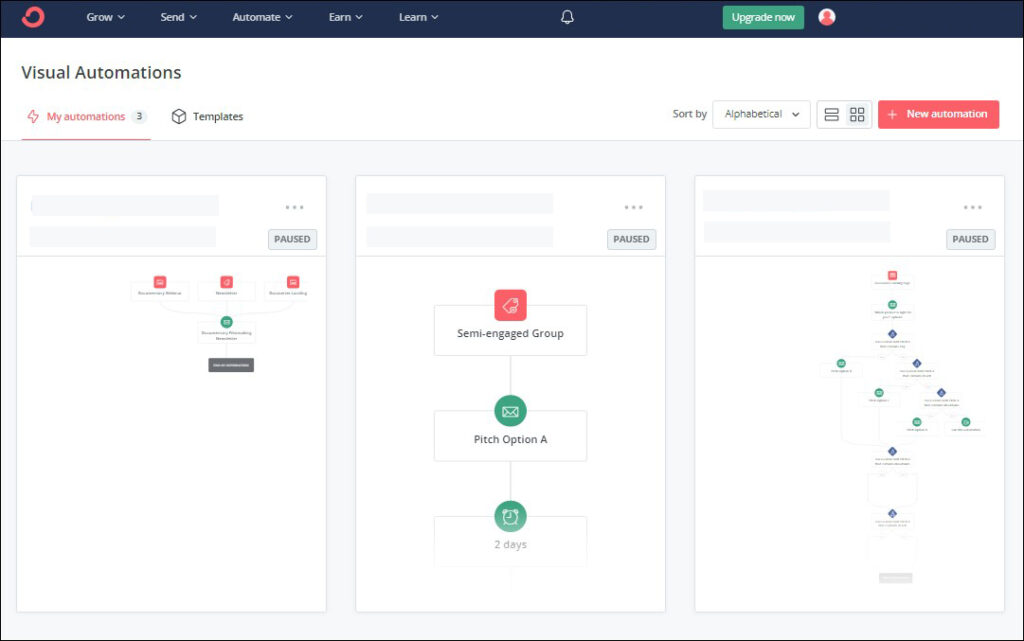
One of my clients—a photographer—wanted to send personalized emails to her students based on the courses they purchased. It took us a bit of time to build the automation sequence, but once it was set up, it saved her hours each week.
For me, this is the big distinguisher… do you want a simple “blast-style” newsletter provider, or a robust “journey-style” email CRM?
Verdict:
- For simplicity and ease of use, especially if you’re new to email marketing, beehiiv is the winner.
- If you need more advanced tools and don’t mind a bit of a learning curve, ConvertKit will give you the power you need.
Automation: Which One Takes the Cake?
Ah, automation—one of my favorite topics. If you’re serious about email marketing, you know that automation is how you scale without sacrificing personal touches.
beehiiv: Basic but Effective
In beehiiv, Automated Journeys are simple and easy to set up, but don’t expect advanced conditions. Every subscriber in a sequence gets the same treatment, and you can’t add branches for those who, say, clicked a link or made a purchase.
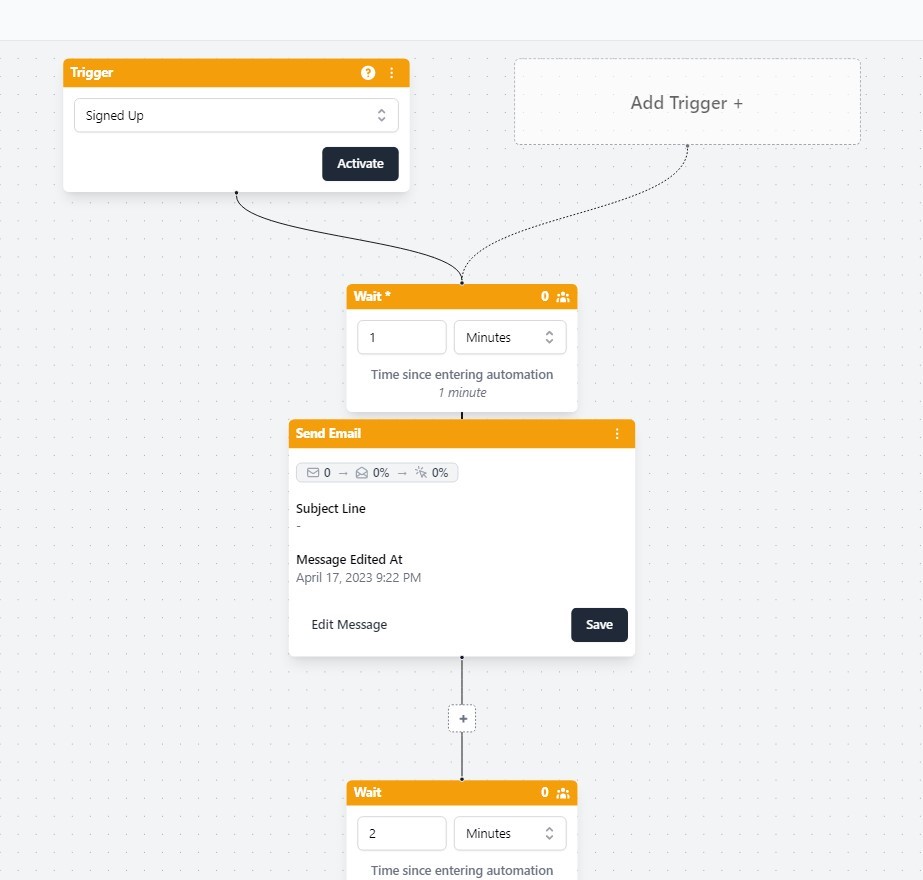
For someone just starting out or sending basic welcome series or product follow-ups, this might be enough.
However, as a sophisticated email marketer, it just isn’t enough for me.
ConvertKit: The Automation Powerhouse
On the other hand, ConvertKit is like a kid in a candy store for automation lovers (like me). It’s built for creating complex workflows, with options to add multiple branches and conditions based on user behavior.
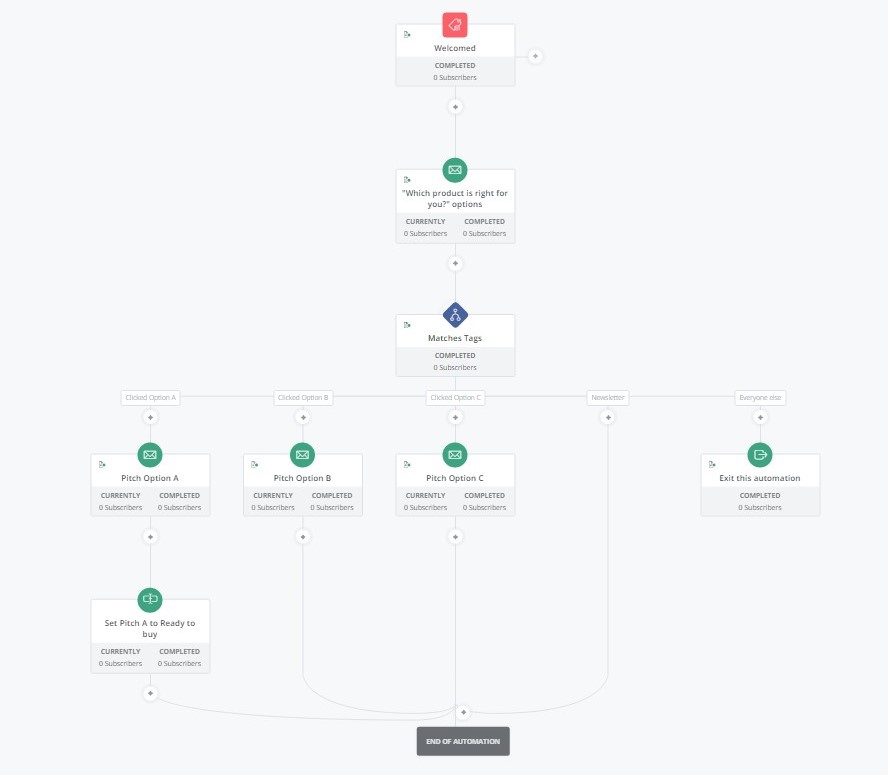
You can send different emails depending on actions like clicking a link, purchasing a product, or even how engaged the subscriber is over time.
Here at Weekend Growth, I set up an automation workflow in ConvertKit for my Amazon Influencer newsletter and course. It sends different sequences based on whether someone has shown an interest in the Influencer program in my initial Welcome Sequence.
If they did, they receive a pitch for the full course. If they didn’t, they don’t get any pitch for the course. This personalized approach significantly increased conversions, showing just how effective a well-targeted email funnel can be for growing your business.
Verdict:
- For basic automations, beehiiv works great.
- But if you need to build intricate funnels and automation sequences, ConvertKit is hands down the winner.
Segmentation and Personalization: How Well Do They Know Your Audience?
beehiiv: Simple Segmentation
beehiiv lets you create dynamic segments based on behaviors like open rates, clicks, and signup source. It’s straightforward and effective if you’re looking for basic personalization.
For example, a cooking blog could very easily segment their audience into “vegetarian” and “meat-eaters,” and it would work well for their content strategy..
ConvertKit: A Whole New Level
When it comes to ConvertKit, segmentation is just the beginning. ConvertKit’s Liquid templating language lets you include dynamic content within a single email.
For instance, a travel blogger client of mine sent one email with different travel tips depending on whether a subscriber had visited the destination before. Same email in ConvertKit, but different text for different readers, based on their interactions with your brand thus far.
You can easily incorporate ConvertKit’s tags to segment your audience based on specific behaviors, while forms allow you to capture leads directly from your website or landing pages, making it simple to grow and organize your email list.
If this doesn’t get your geeky side going, I don’t know what will!
Verdict:
- For simple segmentation, beehiiv does the job.
- For advanced personalization, ConvertKit gives you the flexibility to build deep, dynamic relationships with your audience.
Monetization: How Do You Make Money?
Whether you’re just starting to monetize or you’ve been doing it for years, knowing which platform makes it easier to turn your audience into revenue is crucial.
beehiiv: Built for Monetization
beehiiv is designed with monetization in mind. Their built-in ad network is great if you have at least 1,000 subscribers, allowing you to place ads in your newsletters and start generating revenue quickly.
It’s not much money unless you have a ton of subscribers, to be fair. But easy money is always worth mentioning.
Additionally, their referral program helps you grow your email list while offering incentives.
ConvertKit: Ideal for Product Sales
ConvertKit doesn’t have an ad network (yet), but it excels in selling digital products. However, you can set up landing pages to sell courses, ebooks, or other digital content without needing additional tools.
By the way, I say “yet” when it comes to native ads in ConvertKit emails. I have it on good authority that it’s coming very soon to all users.
One client of mine runs a paid membership through ConvertKit, with all payments handled seamlessly.
For Weekend Growth, I sell ads privately for my newsletter. Doing so allows me to earn 30-100x more than what I would get through beehiiv’s built-in ad tool.
Verdict:
- If you’re looking to monetize through ads or run paid subscriptions, beehiiv is a fantastic option.
- For selling digital products like courses or ebooks, ConvertKit is the way to go.
Bonus: ConvertKit’s Creator Network
One of the most powerful features of ConvertKit is the Creator Network, which allows you to easily connect with other creators, cross-promote your content, and grow your audience faster than traditional methods.
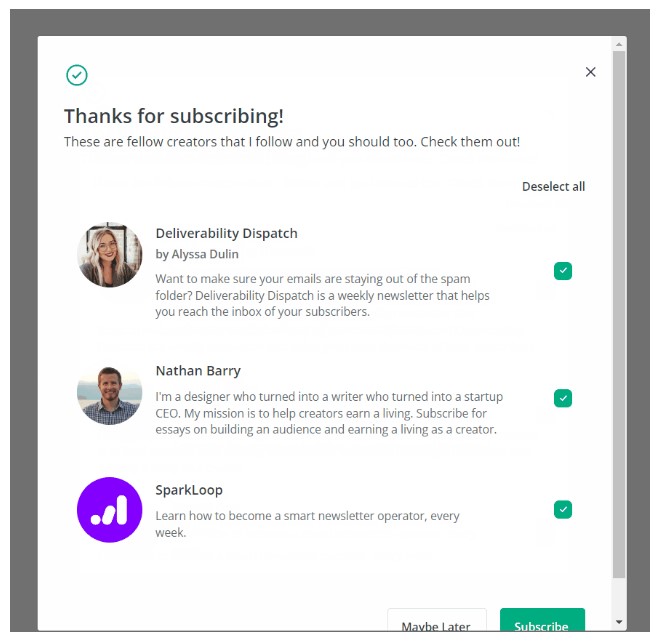
After simply setting up my profile, the Creator Network became a bigger driver of new subscribers than Twitter for me in just two weeks—without me doing anything else. It’s designed to help creators like you tap into relevant audiences effortlessly, making it an invaluable tool for anyone looking to expand their reach without spending hours on promotion.
Conclusion: So, Which One Should You Pick?
Here’s the truth: Both platforms are amazing, but they cater to different needs.
And, at that point, I think it’s fair to say that the decision pretty much makes itself.
- beehiiv is ideal if you’re just starting out and need an affordable, straightforward platform with built-in monetization tools. Its simplicity and cost-effectiveness make it perfect for creators focused on growing their newsletter without needing advanced automations or complex features.
- ConvertKit, on the other hand, offers a free plan for up to 10,000 subscribers, which is a fantastic option if you want to build your list without paying anything upfront. However, keep in mind that the free plan has limitations—only one basic automation and sequence. If you’re serious about creating complex workflows, using advanced tagging, or selling digital products, you’ll need to upgrade to one of their paid plans.
- Paid plans unlock unlimited automations and sequences, allowing you to create highly targeted workflows based on your subscribers’ behavior. You also gain access to advanced tagging. ConvertKit’s paid tiers offer seamless integrations for product sales, including custom landing pages, transaction management, and purchase tracking—all within the platform.
At Weekend Growth, I use ConvertKit because I need the powerful automation features and flexibility to manage sophisticated email funnels for my courses. But if I were just focused on growing a newsletter, beehiiv’s ease of use and monetization options would be hard to beat, especially in the early stages.
In the end, it’s about where you see your business going. For simple, scalable growth, beehiiv is a strong choice. If you’re looking for more robust features and have big plans to scale your automations and product sales, ConvertKit will give you the tools you need as you grow.